

Abstract
The Islamabad Talks of April 2026 brought together delegations from the United States and Iran under Pakistan’s mediation, with China’s influence looming in the background. Despite marathon negotiations, no agreement was reached, reflecting entrenched mistrust between Washington and Tehran. This article examines the composition and objectives of each delegation, Pakistan’s symbolic and strategic role, and China’s indirect leverage. Particular attention is given to Bilawal Bhutto Zardari’s presence as a generational symbol of civilian diplomacy, Pakistan’s balancing act between Western and Chinese expectations, and the broader implications for regional stability. The talks underscore the difficulty of reconciling divergent strategic interests and highlight the interplay of symbolism, mediation, and great-power rivalry in South Asia’s diplomatic theater.
Introduction
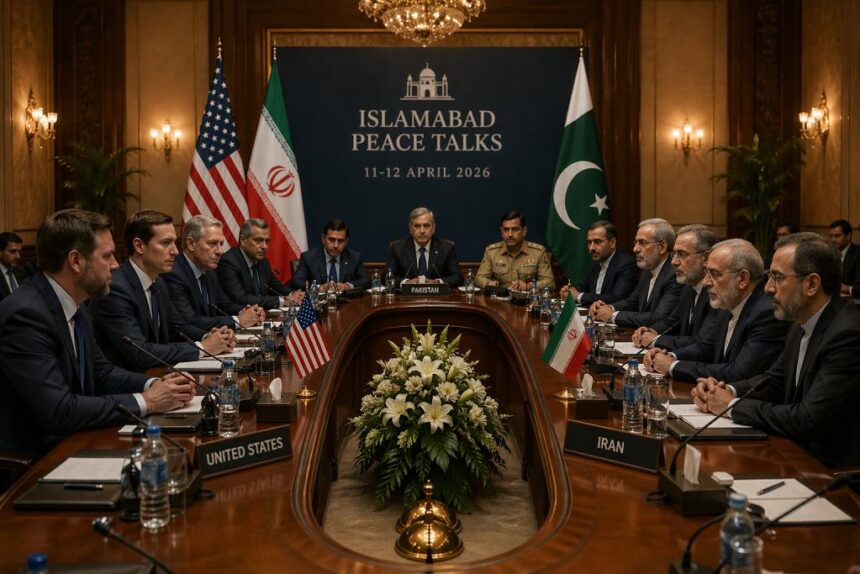
On 11 April 2026, U.S. Vice President JD Vance led the U.S. delegation in Islamabad for intensive negotiations with Iranian officials, hosted by Pakistan. The talks ended without agreement, underscoring the persistence of mistrust between Washington and Tehran. Pakistan’s role was to mediate and provide a neutral venue, while speculation suggested that Beijing quietly encouraged Tehran’s negotiating stance to weaken U.S. leverage.1
Delegations and Objectives
The 300member U.S. delegation combined political authority, diplomatic continuity, and unconventional influence. Vice President Vance provided executive weight, supported by senior State Department and NSC officials. Jared Kushner contributed continuity from the Abraham Accords, while businessman Steve Witkoff symbolized outsider influence. Their objectives were clear: securing a ceasefire, preventing nuclear escalation, and reopening shipping lanes in the Strait of Hormuz.2 According to a senior official, the broader U.S. delegation also included National Security Adviser Andrew Baker and Asian Affairs Adviser Michael Vance. Subjectmatter experts were present in Islamabad, with additional specialists supporting from Washington, D.C.
The 70member Iranian delegation, led by Speaker Mohammad Bagher Qalibaf and Foreign Minister Abbas Araghchi, carried symbolic weight but limited autonomy. Analysts emphasized that ultimate authority rested with Supreme Leader Ayatollah Khamenei, leaving negotiators constrained.3 Their strategy appeared focused on delaying, buying time, and resisting concessions. The delegation included:
- Mohammad Bagher Qalibaf – Speaker of Parliament (head of delegation)
- Abbas Araghchi – Foreign Minister
- Reza Amiri Moghadam – Ambassador to Pakistan
- Ali Akbar Ahmadian – Member of the Supreme National Security Council
- Ali Bagheri Kani – Deputy to the Supreme National Security Council
- Esmail Ahmadi Moghadam – President of the National Defence University
- Mohammad Jafari – Assistant to the Secretary at the Supreme National Security Council
- Abdolnaser Hemmati – Central Bank Governor
- Kazem Gharibabadi – Deputy Foreign Minister
- Majid TakhtRavanchi – Deputy Foreign Minister
- Valiollah Nouri – Deputy Foreign Minister
- Esmail Baghaei – Deputy Foreign Minister and Foreign Ministry Spokesperson
- Abolfazl Amouei – Member of Parliament
- Mohammad Nabavian – Member of Parliament
The Pakistani delegation was deliberately diverse. Prime Minister Shehbaz Sharif emphasized sincerity, Army Chief General Asim Munir underscored the military’s decisive role, and Foreign Minister Ishaq Dar managed logistics. Bilawal Bhutto Zardari’s inclusion projected generational continuity and democratic legitimacy. His statement that there was “no Plan B” for peace reinforced urgency and sincerity.4
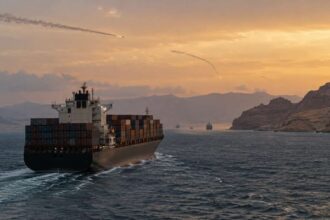
The Islamabad Peace Talks extended over 21 hours between 11 and 12 April 2026, structured into three rounds of negotiation. The first round was conducted indirectly through Pakistani mediation, while the second and third rounds involved direct engagement between the U.S. and Iranian delegations. Reports indicated that consensus was achieved on the majority of provisions within a proposed tenpoint ceasefire framework. However, two critical issues—the status of the Strait of Hormuz and the trajectory of Iran’s nuclear program—remained unresolved. These disagreements ultimately prevented the issuance of a memorandum of understanding, and the talks concluded without a formal agreement. In the immediate aftermath, on 13 April, U.S. President Donald Trump announced the imposition of a naval blockade on Iran, interdicting maritime traffic to and from Iranian ports. This outcome underscored both the persistence of mistrust between Washington and Tehran and the heightened stakes surrounding maritime security and nuclear nonproliferation in the region.
| Country | Representative | Formal Authority | Negotiation Capacity |
|---|---|---|---|
| United States | JD Vance (Vice President) | High | Strong but constrained by administration policy |
| United States | Jared Kushner | Medium | Advisory, influential in strategy |
| United States | Steve Witkoff (Special Envoy) | Low–Medium | Symbolic outsider influence, limited formal authority |
| Iran | Abbas Araghchi (Foreign Minister) | Medium | Technically skilled, limited by Supreme Leader |
| Iran | Mohammad Bagher Qalibaf (Speaker of Parliament) | Medium | Symbolic authority, constrained by hardline oversight |
| Pakistan | Shehbaz Sharif (Prime Minister) | High | Civilian leadership, symbolic mediation |
| Pakistan | General Asim Munir (Army Chief) | High | Decisive influence on security and strategic posture |
| Pakistan | Ishaq Dar (Foreign Minister) | Medium | Operational coordination and diplomatic logistics |
| Pakistan | Bilawal Bhutto Zardari (PPP Chairman) | Low–Medium | Symbolic civilian legitimacy and generational continuity |
Bilawal Bhutto Zardari: Symbolism and Strategy
Bilawal Bhutto Zardari, Chairman of the Pakistan People’s Party (PPP), is the son of former Prime Minister Benazir Bhutto and grandson of Zulfikar Ali Bhutto. Educated at Oxford, he entered politics in 2007 after his mother’s assassination, inheriting leadership of the PPP at a young age.5
As Foreign Minister (2022–2023), Bilawal sought to reframe Pakistan’s image abroad, emphasizing democratic legitimacy and civilian diplomacy.6 His inclusion in the Islamabad Peace Talks was less operational than symbolic, projecting national unity and reassuring Washington that Pakistan’s mediation was not solely military-driven. His presence also signaled generational change, positioning him as a civilian-democratic face in a system often dominated by the military.7
Bilawal is seen as a potential bridge between Pakistan and Western establishments. His Western education, cosmopolitan outlook, and political lineage position him to play a future role in shaping Pakistan’s foreign policy, particularly in balancing relations with the U.S. and China.8
Pakistan’s Mediation: Purpose and Symbolism
Pakistan’s engagement served three purposes:
- To mediate between Washington and Tehran.
- To prevent escalation spilling into South Asia.
- To elevate its profile as a peace broker.
Bilawal’s presence reinforced Pakistan’s effort to project national unity and continuity across generations, countering perceptions of Chinese dominance.
| Case | Outcome | Assessment |
|---|---|---|
| 1974 Islamic Summit | Successful | Enhanced Pakistan’s diplomatic stature |
| Kargil Conflict (1999) | Failure | Undermined credibility due to military adventurism |
| Taliban–U.S. Talks (2018–2020) | Partial Success | Facilitated dialogue but limited control over outcomes |
| India–Pakistan Dialogue (2004–2008) | Failure | Collapsed after Mumbai attacks |
China’s Role and Influence
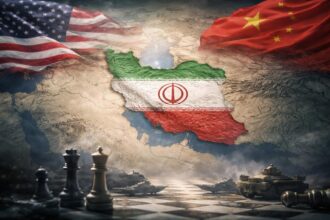
China’s shadow loomed large. Its deep ties with Pakistan through the China–Pakistan Economic Corridor (CPEC), military cooperation, and economic dependency, combined with its strategic partnership with Iran, complicated Islamabad’s neutrality. Beijing reportedly encouraged Tehran to resist U.S. demands, aiming to weaken U.S. leverage and secure energy flows.9
| Interest | Strategic Objective |
|---|---|
| Energy Security | Ensure stable oil and gas imports from Iran |
| Regional Influence | Counter U.S. presence in the Middle East |
| CPEC Protection | Safeguard investments in Pakistan |
| Geopolitical Leverage | Use Iran ties to balance U.S. and India |
Key Observations
United States Delegation: The U.S. team reflected a deliberate balance of authority and influence. Vice President JD Vance provided executive weight, Jared Kushner contributed strategic continuity from prior initiatives, and Witkoff embodied outsider influence. Together, this composition projected both institutional authority and adaptive capacity.
Steve Witkoff’s Role: Although not a career diplomat, Witkoff participated as a special envoy closely connected to President Trump. His presence represented unconventional influence within the delegation, signaling both flexibility and continuity with approaches rooted in the Trump era.
Iranian Delegation: Authority on the Iranian side remained largely symbolic. While Foreign Minister Abbas Araghchi demonstrated technical skill and parliamentary Speaker Mohammad Bagher Qalibaf carried political stature, ultimate decisionmaking power rested with Supreme Leader Ayatollah Khamenei. This structure constrained negotiators and limited flexibility at the table.
Pakistani Delegation: Pakistan presented a distinctive blend of civilian, military, and generational representation. Prime Minister Shehbaz Sharif emphasized civilian leadership, General Asim Munir underscored the decisive role of the military, and Bilawal Bhutto Zardari projected democratic legitimacy and generational continuity. Collectively, this composition sought to convey unity and balance, reinforcing Pakistan’s credibility as mediator.
Conclusion
The Islamabad Peace Talks highlight the complexity of triangular diplomacy in South Asia. The absence of agreement reflects entrenched mistrust between Washington and Tehran, Pakistan’s delicate balancing act, and China’s subtle but decisive influence. Bilawal Bhutto Zardari’s symbolic role underscores Pakistan’s attempt to project democratic legitimacy alongside military authority. The talks illustrate how mediation, symbolism, and great-power rivalry intersect in shaping outcomes that extend far beyond the negotiating table.
Endnotes
- Speculation on Chinese influence reported in regional diplomatic circles, April 2026.
- U.S. objectives outlined in State Department briefing notes, Islamabad, April 2026.
- Analysts’ commentary on Iranian delegation authority, Middle East Institute, April 2026.
- Bilawal Bhutto Zardari, statement during Islamabad Talks, April 2026.
- PPP historical records, 2007.
- Ministry of Foreign Affairs of Pakistan, Annual Report 2023.
- Diplomatic analysis, Islamabad Policy Research Institute, April 2026.
- Western diplomatic assessments, London and Washington, 2025–2026.
- Reports on Chinese encouragement of Tehran’s stance, Asia-Pacific Strategic Review, April 2026.