
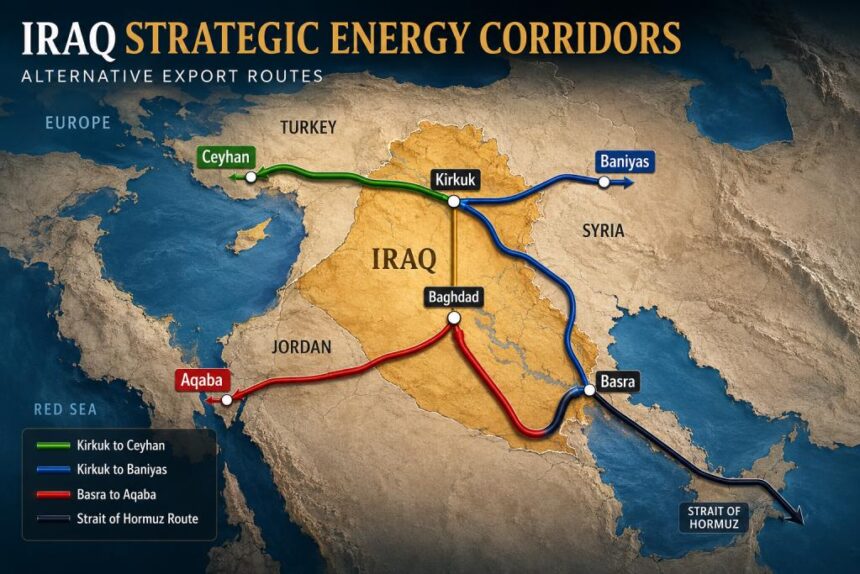
Strategic Alternatives to the Strait of Hormuz – Energy Security, Geopolitical Risk, and Export Diversification Strategies for Iraq and the Gulf (2026–2035)
Executive Summary The Strait of Hormuz remains the world's most strategically significant maritime energy chokepoint. Approximately 17–20 million barrels per day (mb/d) of crude oil and condensate transit through…

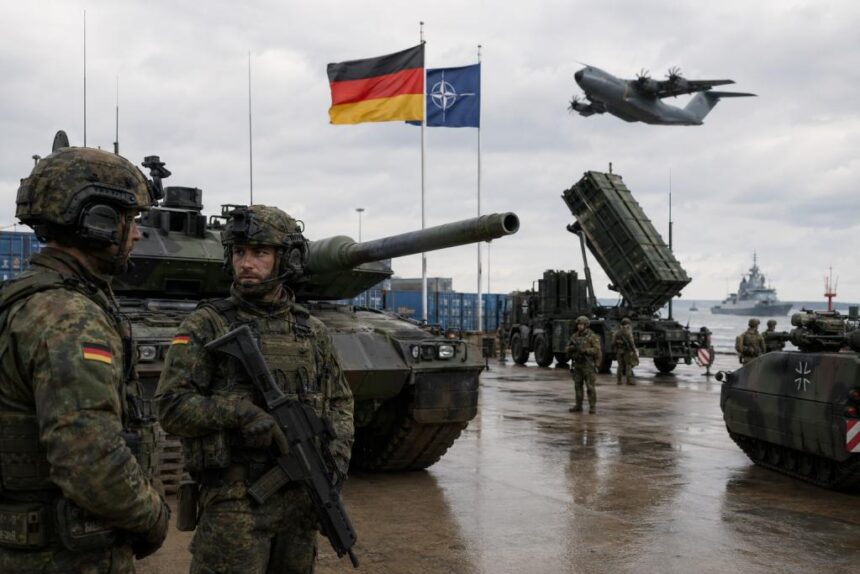
Germany’s New Military Policy Is Reshaping NATO and What Role Germany May Play in the Future
A Historic Turning Point For decades, Germany was regarded as an economic powerhouse but a strategically restrained actor in security and defense affairs. The experiences of the First and Second…

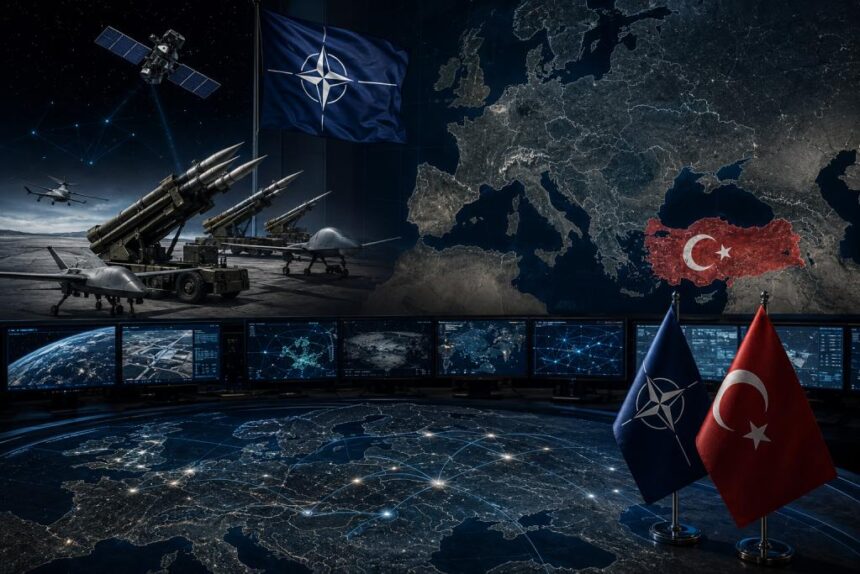
The Ankara Declaration: NATO’s Shift from Strategic Discourse to an Implementation-Oriented Security Approach
Key Argument The Ankara Declaration does not introduce a new strategic doctrine so much as it reflects NATO's will to translate its existing security objectives into concrete implementation. The Declaration…

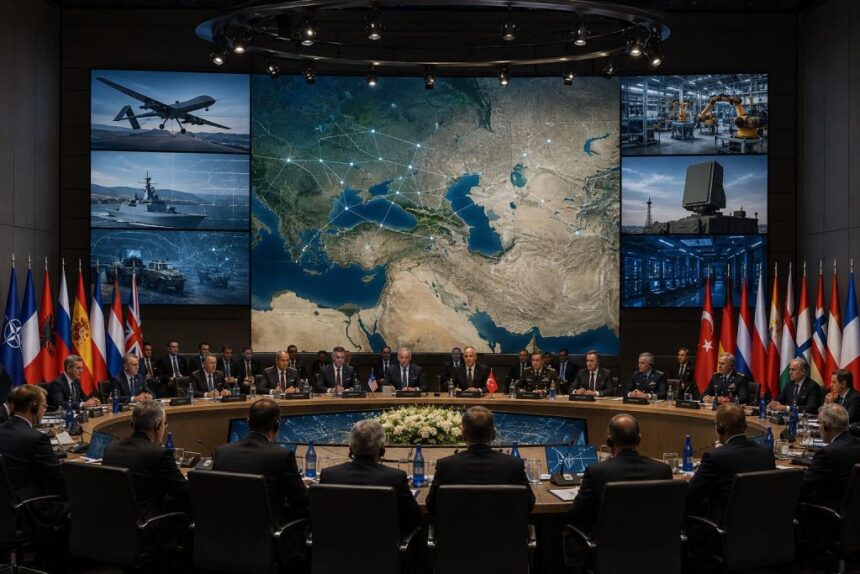
NATO After Ankara (2026): From Commitment to Execution – Strategic Transformation, Türkiye’s Centrality, and the Rise of Networked Security in Eurasia
Executive Summary The NATO Summit in Ankara (7–8 July 2026) marked the Alliance's transition from strategic declarations to implementation. While the 2025 Hague Summit established ambitious commitments on defence spending,…
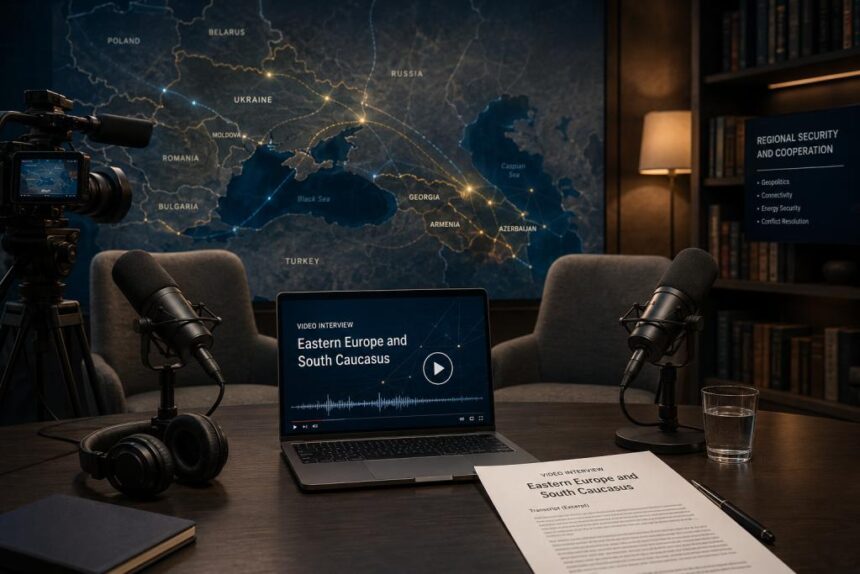
War, Peace and Regional Stability in Eastern Europe and the South Caucasus
https://www.youtube.com/watch?v=QyRea9kovqM The International Center for Transatlantic Studies hosted a discussion between Emil M. Hasanov and Georgian diplomat Valeri Chechelashvili on the evolving security environment in Eastern Europe and the South…
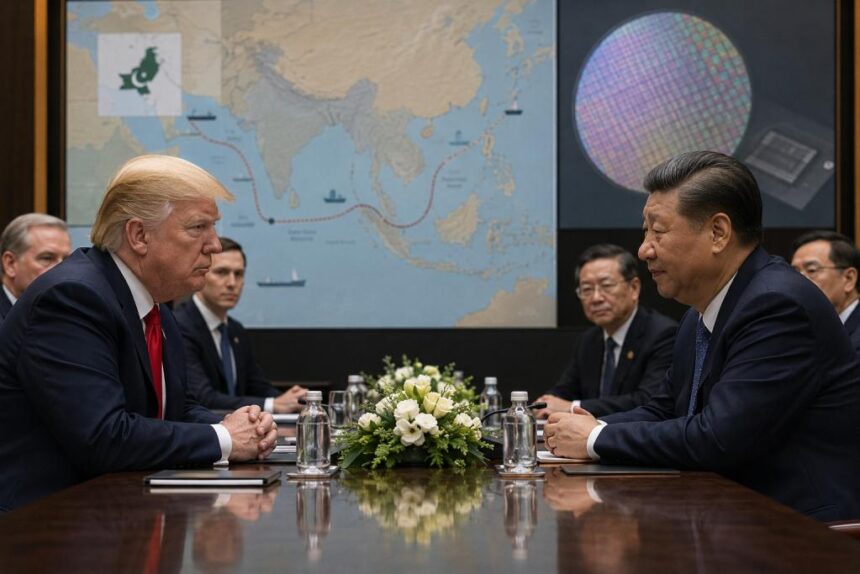
Managed Rivalry in a Fragmented World: Trump’s 2026 China Visit and the Reconfiguration of Global Power Politics
AbstractPresident Donald Trump’s 2026 visit to China reflects a defining moment in contemporarygeopolitics. Rather than signaling a diplomatic breakthrough, the meeting with President XiJinping underscores a deeper structural transformation in…
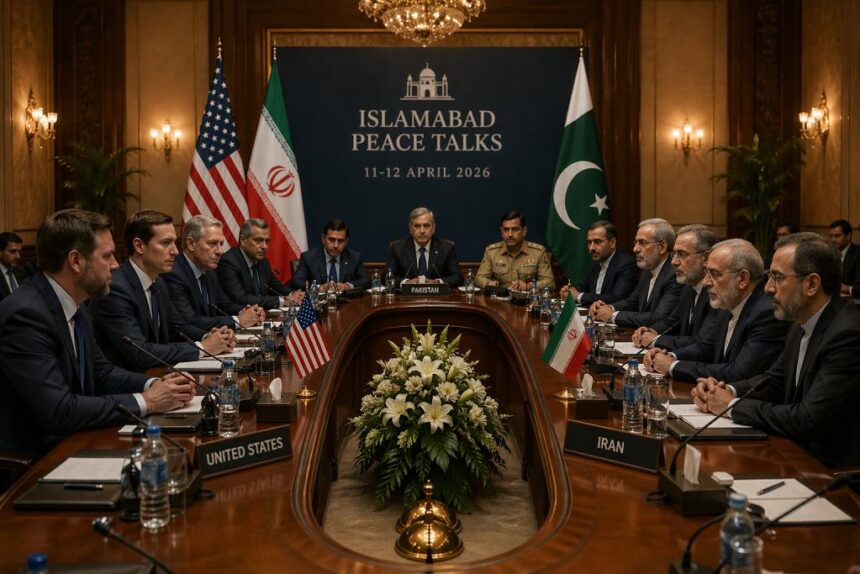
The Islamabad Peace Talks: U.S.–Iran Negotiations, Pakistan’s Mediation, and China’s Influence
Abstract The Islamabad Talks of April 2026 brought together delegations from the United States and Iran under Pakistan’s mediation, with China’s influence looming in the background. Despite marathon negotiations, no…
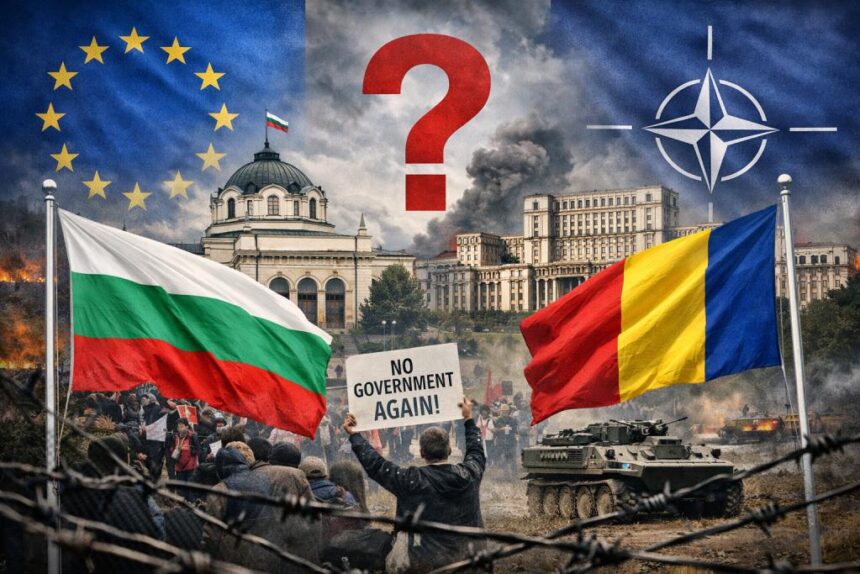
Bulgaria 2026 and Romania 2025 Elections and EU Eastern Line: Comprehensive and Comparative Analysis
Executive Summary and Introduction The parliamentary elections held in Bulgaria on April 19, 2026, marked a critical turning point, ending the country's chronic political fragmentation over the past five years…
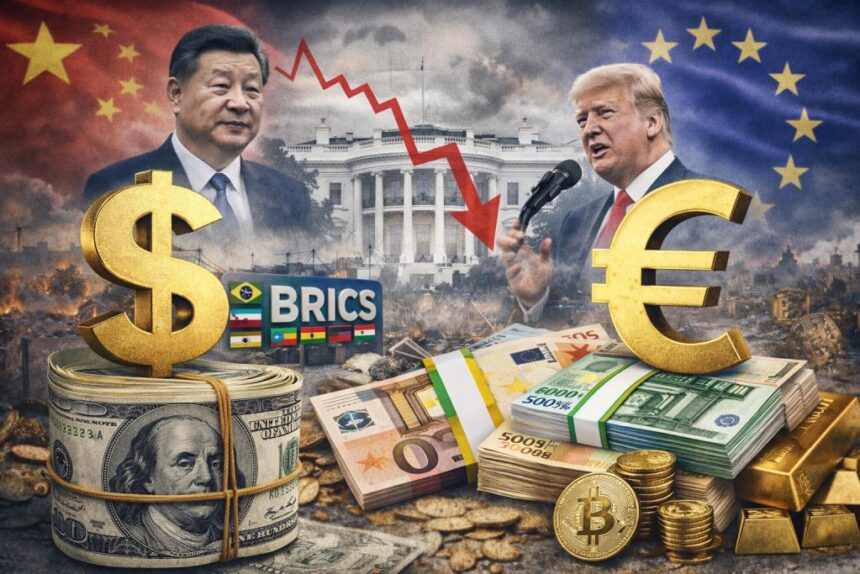
The Global Currency
Abstract This article explores the dominance of global currencies, focusing on the dollar and the euro, and the absence of viable alternatives outside the West. It examines the failure of…
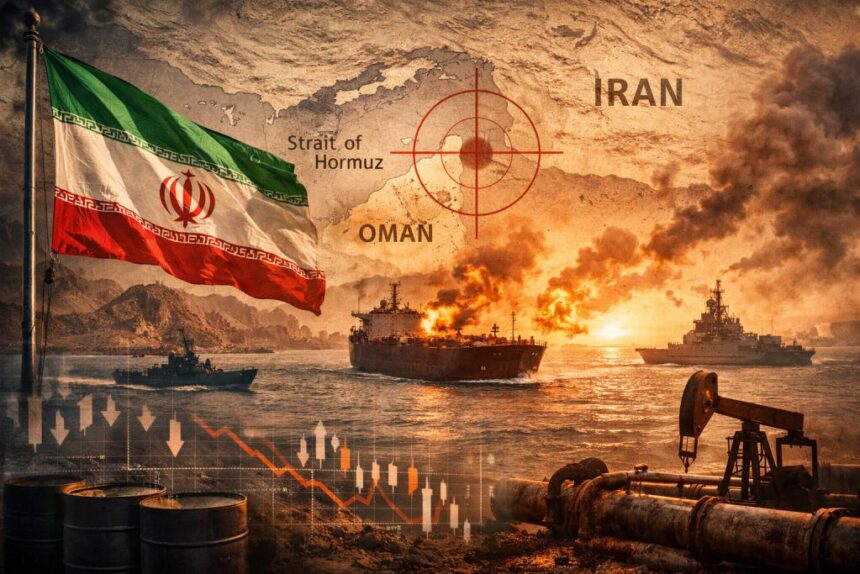
Echoes of the Past: Iran’s Current Crisis, Energy Politics, and the Strait of Hormuz
باد آورده را باد میبرد What the wind brings, the wind will take away — Iranian proverb Abstract This article examines Iran’s current crisis through the lens of historical parallels…